
How Often Does a Septic Tank Need Cleaning?
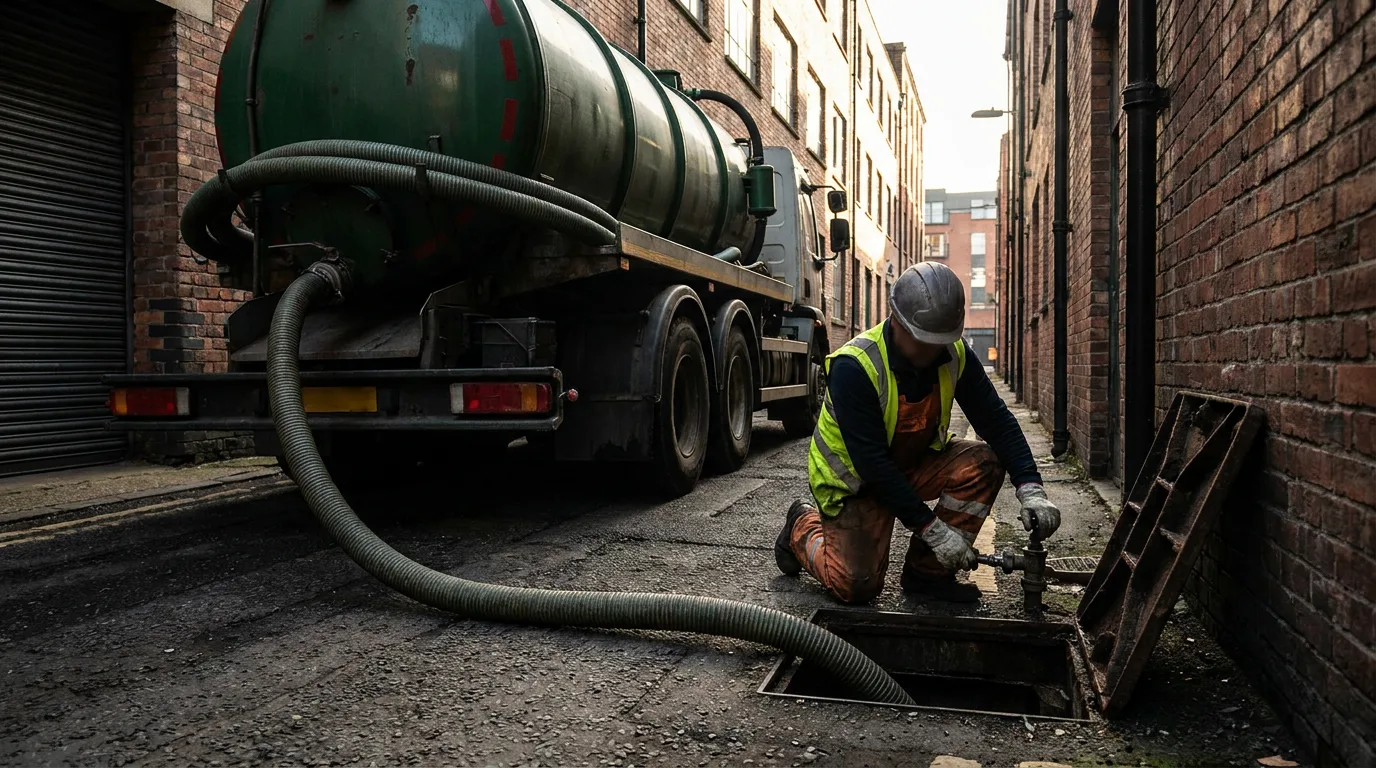
Three to five years is the range most homeowners fall into, and it holds up whether you're in Port Saint Lucie proper or out toward River Park, 6.6 miles northeast. The real driver is tank size against household size, not a calendar date. A family of five puts a lot more load on a tank than a retired couple in the same size house, and that shortens the interval. If you've never had the tank serviced and don't know its size, that's the first thing to find out before you guess at a schedule. Septic tank cleaning resets the clock properly, because pumping alone doesn't always clear solids stuck to the walls. Watch for septic tank warning signs between scheduled visits, since slow drains or wet spots in the yard usually show up before a backup does. Restaurants and commercial kitchens run on a different clock entirely. A grease interceptor gets pumped once fats, oils, grease and solids reach 25 percent of the liquid depth, which can happen in weeks, not years, depending on volume.
What Affects Septic Tank Pumping Frequency?
Tank size matters most. A small, older tank serving a full household needs attention more often than a large tank serving two people. Water use factors in too. Long showers, garbage disposals, and laundry all add volume the tank has to handle. Homes on well water sometimes run softener backwash into the system, which adds even more. Solids that don't break down, like wipes or grease poured down a drain, build up faster than the tank can process, and this is one of the most common reasons a pumping schedule gets pushed up. If your property sits closer to Fort Pierce, 14.5 miles north, or over toward Jensen Beach, 11.0 miles east, soil type and water table can also play a role in how a system performs between services. None of that changes the basic math though: bigger household, smaller tank, more frequent pumping. If you're building new or replacing a failed system and need something in the meantime, a holding tank rental covers the gap. For anyone unsure where their own number falls, septic tank pumping cost breaks down what a visit typically runs.
Why Does Regular Pumping Matter?
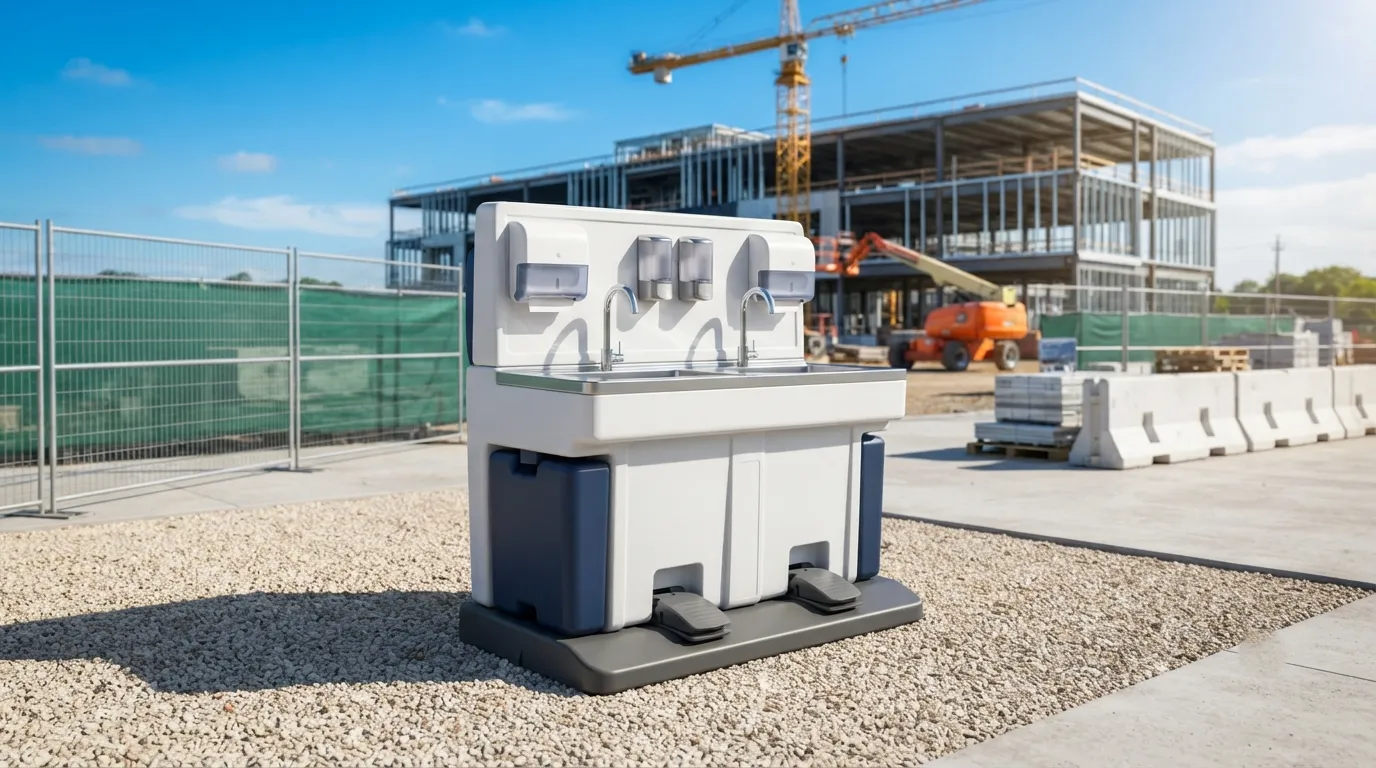
Skipping pumping doesn't save money, it just delays a bigger bill. Solids that aren't removed eventually clog the drain field, and a clogged drain field is a much more expensive fix than a pump-out. Regular service also protects the leach lines from getting overloaded with material they were never meant to filter. Port Saint Lucie homeowners dealing with older systems, especially ones installed before certain design standards were common, benefit from staying ahead of the schedule rather than reacting to a backup. Commercial properties have their own version of this problem. A restaurant that skips grease trap pumping risks the same kind of overflow, just faster and messier. Event venues and construction sites without permanent plumbing rely on different sanitation setups entirely, which is where portable restroom rental or a restroom trailer rental comes in instead of a septic system at all. For general contractors coordinating a whole property, construction site services usually bundles restrooms with dumpsters and fencing under one schedule.
When Should You Call For Emergency Pumping?
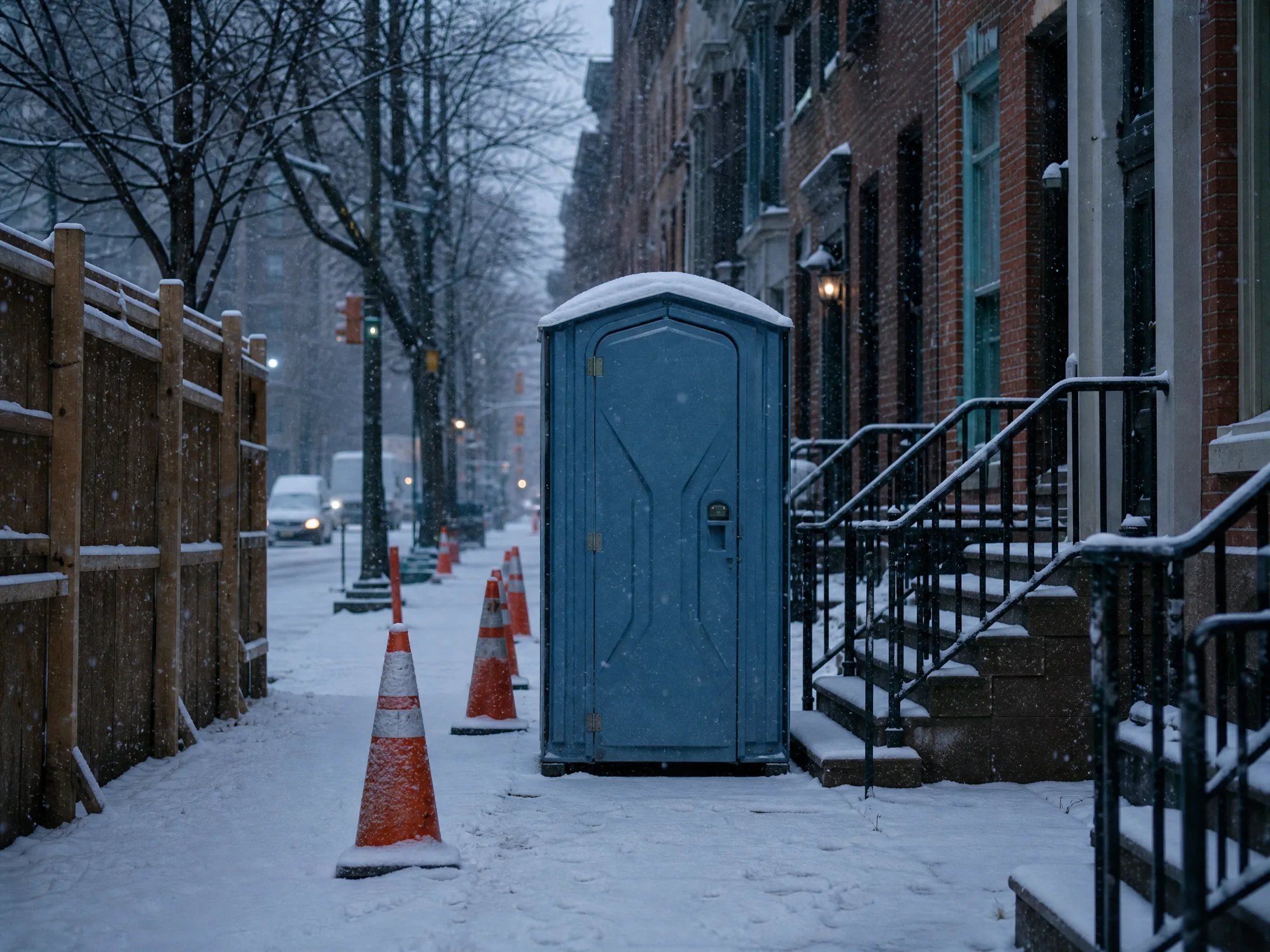
Call immediately if you see sewage backing up into the house, standing water over the drain field, or a strong odor near the tank that wasn't there before. These are signs the system is already past capacity, not signs it's about to be. Port Saint Lucie Porta Pros offers emergency septic service for exactly this situation, and waiting even a few days can turn a pump-out into a drain field repair. If the emergency hits during a larger event, like storm flooding that affects several properties at once, sanitation needs can spike fast. Disaster relief sanitation covers that kind of surge, whether it's septic backup or a need for temporary toilets while systems are down. For household water pressure and general potable water standards during any service call, OSHA 1926.51(a)(1) sets the baseline requirement for an adequate supply of potable water at job sites, which is a useful reference point even outside construction.
How do I know what size tank I have?
Check paperwork from when the house was built or call the installer if it's still active. Tank size, paired with household headcount, is what actually sets your pumping interval, not a fixed number of years. A septic tank pumping cost estimate usually starts with this question.
Does a garbage disposal change the schedule?
Yes. Disposals add solid waste volume the tank has to break down, which fills it faster. Households running a disposal daily often need pumping closer to the 3-year mark instead of the 5-year mark, especially in smaller tanks.
What happens if I skip a scheduled pumping?
Solids build up and eventually reach the drain field, clogging the lines that disperse water into the soil. That repair costs far more than a pump-out. Septic tank warning signs usually show up first if you're paying attention.
Can a grease trap and a septic tank share a schedule?
No. A grease interceptor is pumped based on fats, oils, grease and solids reaching 25 percent of liquid depth, which can happen far faster than a household septic cycle. Commercial kitchens need grease trap pumping on its own schedule.
Is there a difference between pumping and cleaning?
Pumping removes liquid and loose solids. Cleaning goes further and clears material stuck to the tank walls. Septic tank cleaning is the more thorough service and is worth doing periodically, not every visit.
Next step
Get a delivery date
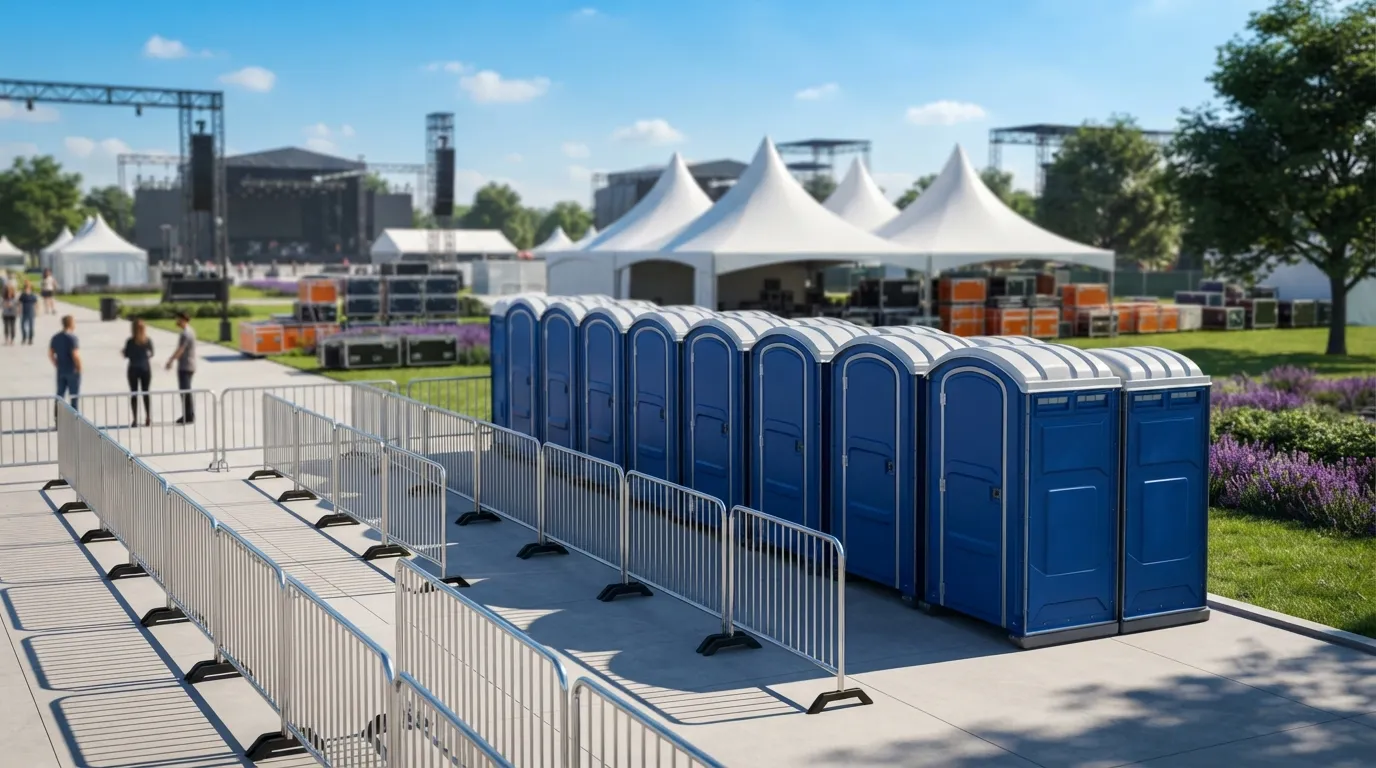
Tell us the address, the dates and the headcount. We size the order and confirm the route.